For many decades, the majority of Arab countries relied mainly on natural resources as their economy-driving engine, being rather late in adapting policies and practices promoting knowledge-based economies, and have a limited industrial base. Today however, it is quite obvious that leading states are those whose decision-making hubs have intensively invested in their national intellectual capita, promoting knowledge and technology transfer; enhancing training, R&D, and innovation activities. This is extremely crucial, as both local and global markets are prone to rapid technological changes, demanding academics and researchers with elevated level of expertise and highly skilled labor force. Explicitly, the contemporary development of a state is determined not by scaling up the use of its natural resources but by endorsing intangible human capital as the basis for continuous development of technologies and innovation.
Human capital is defined as the knowledge, education and competencies of individuals in realizing national tasks and goals. The human capital of a nation originates with the intellectual wealth of its citizens, usually measured by National Intellectual Capital Index (NICI). Even though policy makers sometimes find it hard to make the case for human capital investments due to lack of quick returns, there is rather a unified understanding about the importance of knowledge as a source of economic competitiveness.
Compared to many Arab countries, the situation is far more complicated in Syria after approximately twelve years of war and conflict, where natural resources became scarce and manufactured good exports, reflected in gross domestic product (GDP), drastically declined. Moreover, the COVID-19 pandemic, the Russian-Ukrainian conflict that started in 2022, and finally the recent earthquake that hit Syria and Turkey last February, all severely augmented the conflict consequences.
Nevertheless, and since 1950s, Syria has been known for highly educated graduates in both engineering and life sciences who contributed to science advancement in Syria and the region. Additionally, Syrian expatriate medical doctors, researchers and engineers gained respectable reputation for their service and academic contributions all over the world. In fact, during the last two decades, Syria sent abroad thousands of academic envoys to support the Syrian academic and research ecosystem upon their return. Unfortunately, very few of them returned home due to circumstances enforced by the recent conflict and the deterioration of the Syrian economy. Taken together, Syria has a good opportunity to benefit from its national human capita if solid and serious steps are taken and followed up.
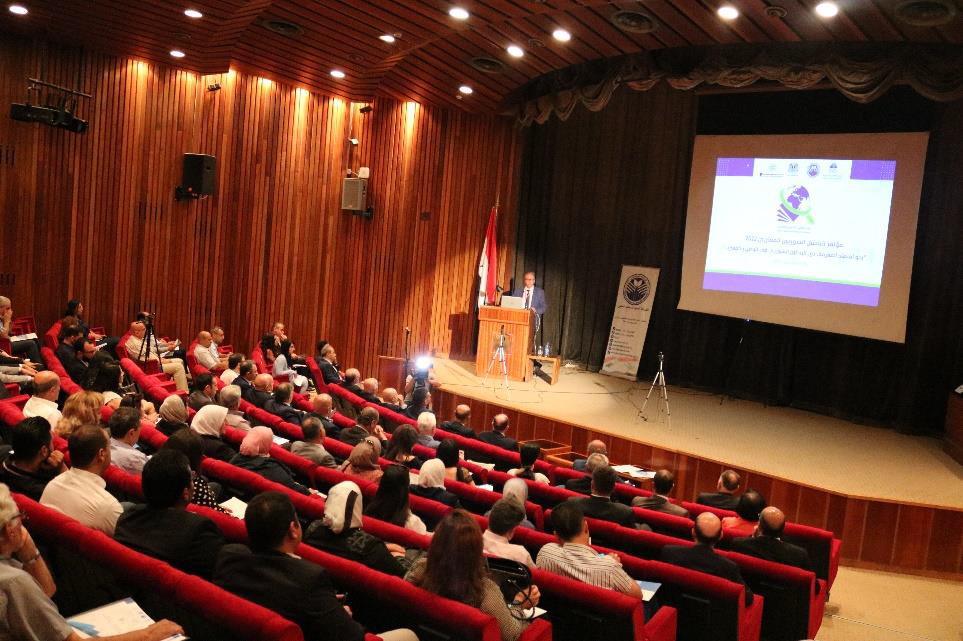
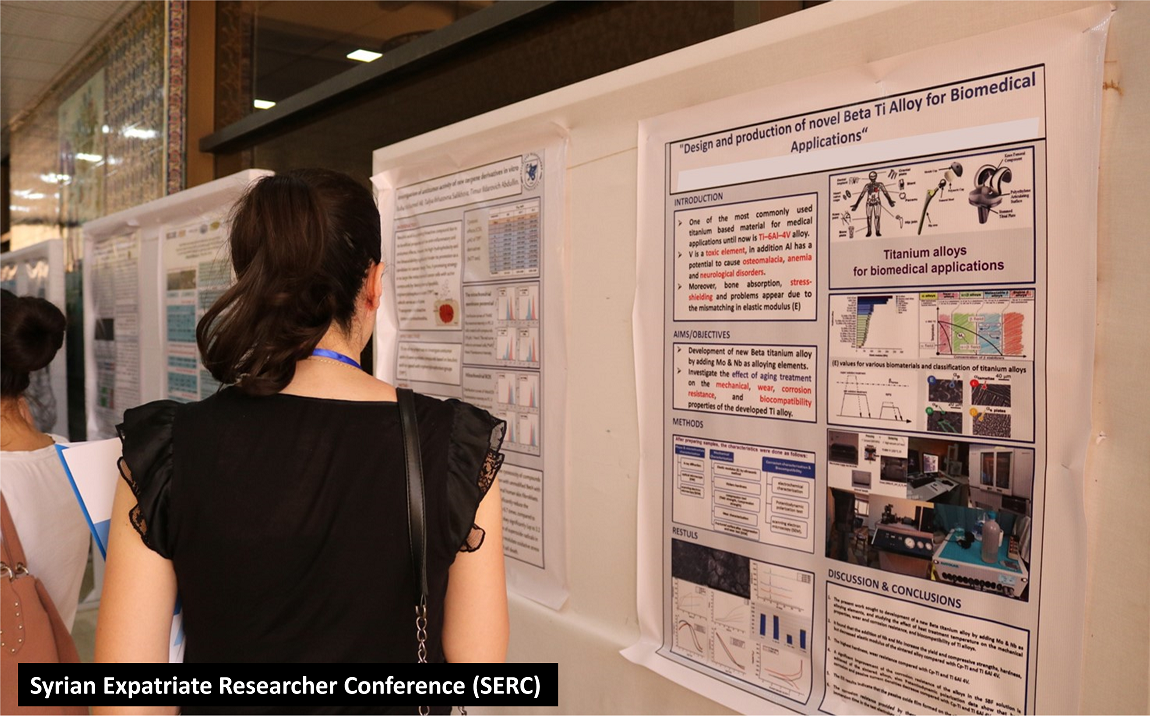
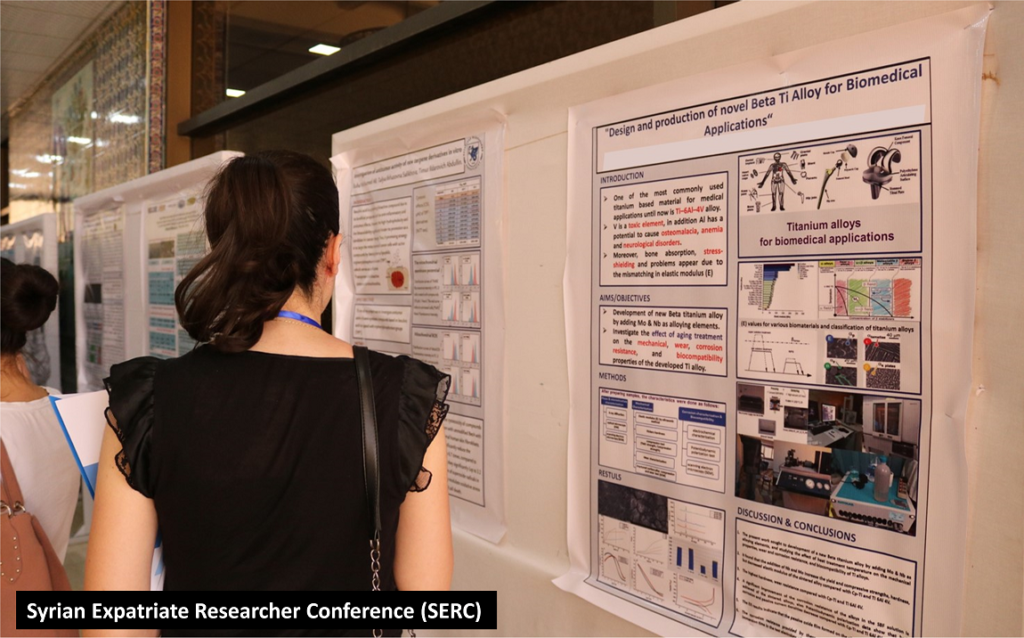
On one hand, reforms on education and training policies should be accomplished to raise national standards of knowledge and skill transfer among Syrian youth and university postgraduate students and researchers. This should be accompanied by boosting technology transfer activities via intermediaries such as the National Technology Transfer Office NTTO (hosted by the Higher Commission for Scientific Research, HCSR) and other institutional TTOs at both public and private Syrian universities and research centers. On the other hand, the Syrian government officials and decision-makers are requested to find the proper channels to communicate with Syrian expats and benefit from the knowledge and expertise they gain while living in foreign countries. The Syrian Expatriate Research Conference (SERC), which is organized annually by HCSR, is one tool to achieve fruitful interactions among Syrian researchers at home and abroad. Another two relevant ways include preparing a national strategy and roadmap for enhancing cooperation and coordination with Syrian expat researchers, and creating incentive programs similar to international programs such as the “Chinese Academy of Science’s 100 Talents Program”.
For countries like Syria, taking into account the dwindle in natural resources and the shrink in national economy, investing in intellectual human capita should be listed among the highest Syrian government priorities … it is a MUST.