
logo

Editorial

Towards New Horizons of Knowledge Integration and Sustainable Innovation

Dear Readers, Researchers, Innovators, and Decision-Makers,

We are pleased to welcome you to a new issue of the Syrian Journal of Science and Innovation. This issue comes at a time of exceptional research momentum, driven by growing efforts to harness technology and applied sciences in the service of society and to develop innovative solutions to some of the most complex technological, environmental, and economic challenges facing us today.

The fundamental philosophy underpinning our journal extends beyond the mere dissemination of knowledge. It seeks to highlight the integration of knowledge across diverse sectors and promote hybrid solutions that combine human insight with machine intelligence, ultimately contributing to sustainable development and the protection of critical infrastructure. This issue features a distinguished collection of studies that reflect this vision through practical and applied research.

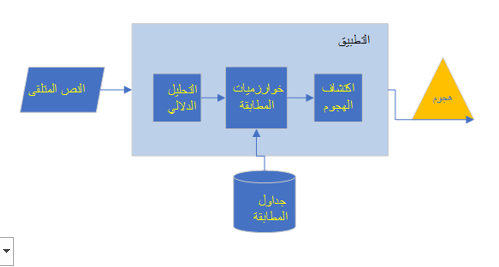
In an increasingly digital world, cybersecurity has emerged as a paramount priority in safeguarding systems and institutions. In this context, this issue highlights a critical security gap associated with the human element through a novel study presenting a hybrid system that combines rule-based approaches with machine learning techniques to detect social engineering attacks. The study demonstrates that purely technological solutions cannot operate effectively in isolation from user empowerment and the enhancement of digital awareness. It presents an innovative model for real-time threat blocking, achieving promising levels of statistical accuracy.

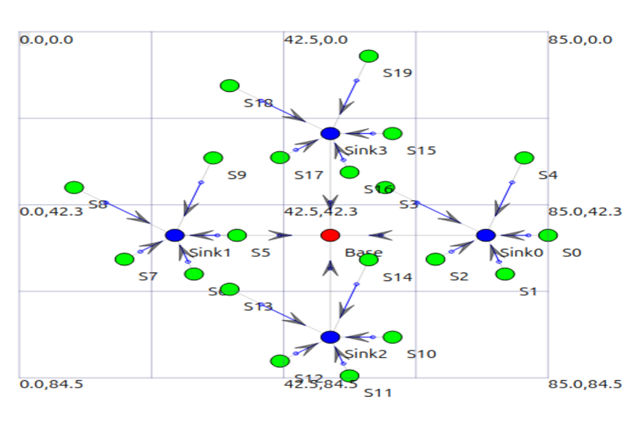
Extending the scope of digital innovation to the protection of interconnected systems, another study takes us into the heart of the Fourth Industrial Revolution, exploring ways to enhance the security of the Internet of Things (IoT) through an innovative hybrid architecture built around three complementary components. The first involves generating dynamic cryptographic keys inspired by the complex geometry of spider webs; the second employs Principal Component Analysis (PCA) for data compression; and the third utilizes Blockchain technology to ensure data integrity and counter Denial-of-Service (DoS) attacks. This research demonstrates a noteworthy balance between robust security protection and energy efficiency in wireless networks.

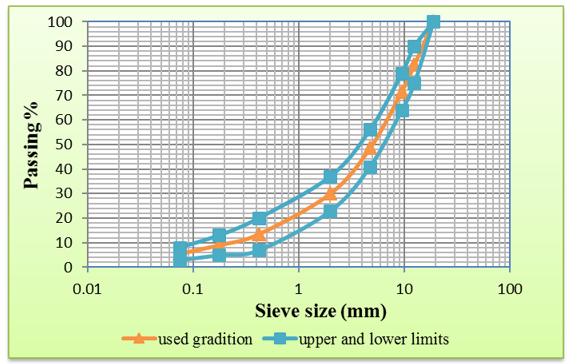
Innovation in our journal, however, is not confined to the digital realm; it also extends to the fields of construction, the environment, and occupational health. This issue presents a pioneering engineering and environmental study evaluating the effects of incorporating industrial zeolite into Warm Mix Asphalt (WMA) as a sustainable alternative to conventional hot mix asphalt. The research opens up important practical prospects for the local construction sector by reducing production temperatures, thereby generating direct energy savings and significantly reducing harmful gaseous emissions, ultimately contributing to environmental protection and safeguarding workers’ health.

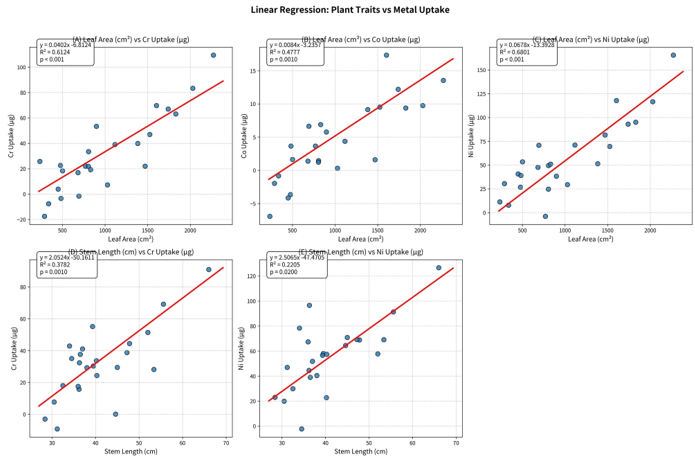
As part of our commitment to nature-based sustainable environmental solutions, we conclude this issue’s research highlights with an applied biological study investigating the relationship between the physiological growth traits of sunflower plants and their heavy metal uptake under field-contamination conditions. This study provides an important foundational reference for phytoremediation programmes targeting contaminated soils in northwestern Syria. It introduces simple, low-cost predictive models based on leaf area and stem length to estimate phytoremediation efficiency before resorting to more complex laboratory analyses.

Ladies and Gentlemen,

The rich diversity of research featured in this issue—from artificial intelligence algorithms and cybersecurity to Blockchain and the Internet of Things, and from sustainable construction materials to biological approaches to environmental remediation—reaffirms the capacity of Syrian and local scientific minds to innovate and deliver solutions with practical, field-level applications, despite the challenges they face.

We hope that readers will find in this issue a valuable source of inspiration and knowledge. We reaffirm our commitment at the Syrian Journal of Science and Innovation to continuing our mission as a platform that bridges innovative ideas and meaningful practical applications.

We aspire for continued success and advancement in our endeavours

Damascus 5/11/2026

         Chief Editor

Prof. Dr. Nabil Kochaji
Generative Artificial Intelligence and Large Language Models: Opportunities, Challenges, and Applications

Study of the Relationships Between Sunflower Growth Traits and Heavy Metal Uptake Under Field Pollution Conditions

Developing a Hybrid Algorithm that Combine Rule-based and Machine Learning Methods to Detect Social Engineering Attacks

Enhancing IoT Security Using Spider Web-Based Dynamic Keys and Blockchain Encryption

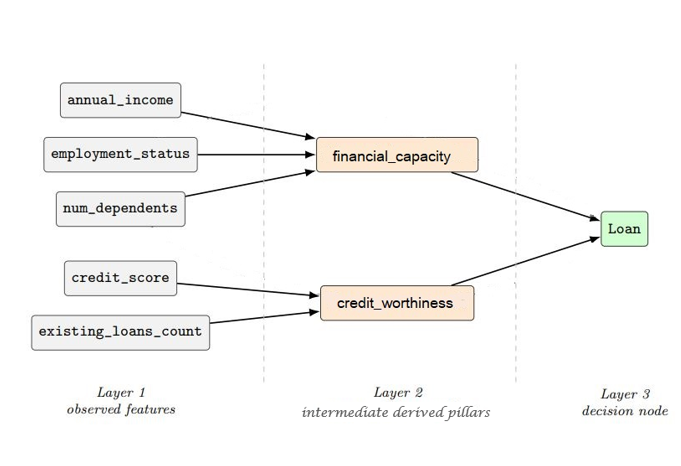
Conversational Explanations for Bayesian Networks: An Interactive LLM-Driven Framework for Explainable AI

Studying the Effect of Synthetic Zeolite on Properties of Warm Mix Asphalt

Editorial

From Knowledge to Impact

Today, the progress of nations is measured by their ability to generate knowledge and harness it to address the challenges facing individuals and society. Scientific research is no longer merely a means of enriching theoretical knowledge or increasing academic output; rather, it has become a strategic instrument for developing solutions, supporting evidence-based decision-making, improving quality of life, and advancing sustainable development. From this perspective, the true value of research lies not in the number of published studies, but in the tangible impact of their findings and their ability to transform ideas into practical applications that serve society.

The world is witnessing an unprecedented acceleration in scientific and technological advancement, where disciplines increasingly intersect and knowledge domains become more integrated. Health, engineering, environmental, and technological challenges can no longer be addressed within the boundaries of a single discipline. Instead, they require multidisciplinary collaboration and the exchange of expertise across diverse scientific fields. In this context, innovation emerges as the natural outcome of such integration, transforming research findings into practical solutions that respond to real-world needs and keep pace with rapid global developments.

From this standpoint, the Syrian Journal of Science and Innovation believes that its mission extends beyond providing a platform for publishing scientific research. It is equally committed to fostering a culture of rigorous scholarship, encouraging studies that combine scientific originality with practical relevance, and strengthening the connection between academic knowledge and the needs of society and its institutions. The Journal value scientific research as both an intellectual responsibility and a catalyst for development, striving to publish work distinguished by methodological rigor, innovation, and practical applicability.

This issue reflects this vision through a collection of studies covering diverse fields, including health sciences, engineering, telecommunications, cybersecurity, and analytical chemistry. Despite their disciplinary diversity, these contributions share a common objective: providing scientific solutions to real-world challenges. From developing more efficient diagnostic and analytical tools to applying intelligent algorithms for infrastructure optimization, supporting healthcare planning, and enhancing the security of digital applications, these studies demonstrate that genuine innovation begins with a clear understanding of a problem and reaches its full value when knowledge is translated into meaningful impact.

Guided by this stand, the Journal will continue to strengthen the quality of scholarly publishing, adhere to the highest editorial standards and best publishing practices, promote interdisciplinary collaboration, and support researchers dedicated to producing original knowledge with scientific and societal value. The Editorial Board remains committed to the continuous development of the Journal in line with internationally recognized standards of academic publishing, thereby enhancing its scientific standing and serving researchers both within Syria and internationally.

Finally, we extend our sincere appreciation to the researchers who have chosen the Syrian Journal of Science and Innovation as the venue for disseminating their scholarly work, to the distinguished reviewers whose expertise has contributed significantly to enhancing the quality of the published articles, and to everyone who supports scientific research and believes that knowledge is not an end in itself, but a means of building a more prosperous and sustainable future.

We firmly believe that every rigorous scientific study represents another step toward progress, and that the accumulation of knowledge—when coupled with innovation and responsibility—is the true pathway to transforming ideas into achievements and knowledge into impact.

We aspire for continued success and advancement in our endeavours


Damascus 5/8/2026

         Chief Editor

Prof. Dr. Nabil Kochaji
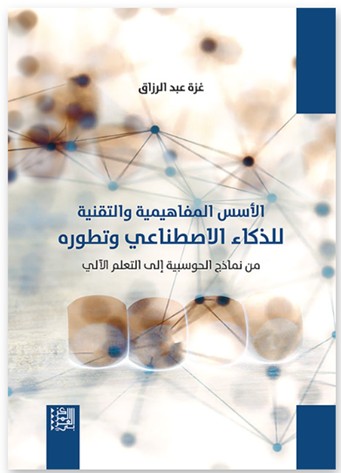
Conceptual and Technical Foundations of Artificial Intelligence and its Evolution: From Computing Models to Machine Learning

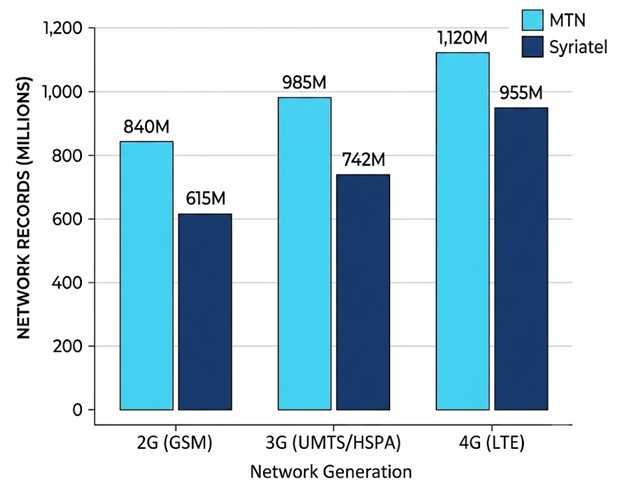
Optimizing 5G Deployment in Resource-Constrained Environments: A Real-World Multi-Criteria Optimization Study Using GA and PSO

About The Journal

Journal:Syrian Journal for Science and Innovation
Abbreviation: SJSI
Publisher: Higher Commission for Scientific Research
Address of Publisher: Syria – Damascus –Ministry of Higher Education and Scientific Research

ISSN – Online: 2959-8591
Publishing Frequency: Quartal
Launched Year: 2023
This journal is licensed under a: Creative Commons Attribution 4.0 International License.


Upcoming Events